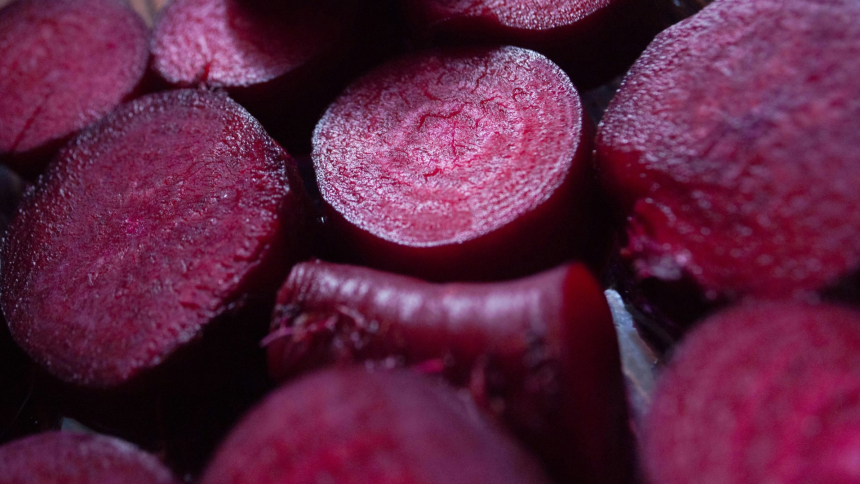
When you pull the bulb from the ground, the rough exterior doesn’t look as tempting as the brightly coloured leaves, but what bold and brilliant treasure lies beneath. With so many ways to savour this ravishing root vegetable, it’s time to show beetroot some love. Let’s delve into the back story.
Leaf to root
It stretches back thousands of years to the Mediterranean and the Middle East, when beetroots were sought after for their leafy tops. Similar to silverbeet in appearance, they were valued for those nourishing greens rather than the bulb we now cherish.
It wasn’t until Roman times that people began cultivating the swollen root, as well as its top. Romans appreciated beetroot as food and medicine – using it as a laxative and an aphrodisiac, as well as to bind wounds – and the vegetable soon made its way across Europe.
By the Middle Ages, beetroot was a common garden staple, not the least because it grew well in cool weather and could be stored through winter. Russia is now the world’s biggest producer of beetroot, featuring heavily in everything from soups to sweets, while
In the 18th century, a German chemist discovered that beetroot contained sugar crystals similar to those found in sugar cane, which led to the development of sugar beet. While this crop hasn’t taken off in Australia, it’s a major source of sugar in Europe and North America.
Beet or beetroot
Known in Australia as beetroot, the bulbous vegetable is usually shortened to beet in the United States. Same plant, different name, with beetroot refering to the plant’s taproot.
It belongs to the species beta vulgaris, which includes several cultivated varieties:
- Beetroot, now grown for its root, though good cooks also use the leaves
- Sugar beet, grown for sugar production
- Fodder beet, used for animal feed
- Leaf beet, such as silverbeet or chard, grown for their leaves
- Baby beets, the young, small beetroot harvested early
So, beet could mean any of these things, though Australians have favoured the word beetroot ever since the seeds or cuttings made their way here with early settlers. Beetroot is hardy, adaptable and productive, making it a strong addition to a new colony trying to establish regular food supplies.
By the late 19th century, beetroot was firmly a part of Australian cooking, popping up in handwritten recipe books and community cookbooks, often preserved in vinegar to extend its shelf life. Pickling wasn’t just trendy, it was practical, preventing wastage and ensuring we could eat the purple beauties year round.
Growing roots in WA
Beetroot thrives in milder seasons, making it ideal to plant in autumn and spring, though the vegetable can grow year-round in Perth’s Mediterranean climate, where growers such as Glavocich Produce keep up our supplies.
As the heat recedes, gardeners and growers sow seeds in the sandy soils of the coastal plain from Gingin in the Wheatbelt to Perth and surrounds, while the cooler climate of the South West and Great Southern prolongs theseason. The loamy clay soils of the Southern Forests are also a fertile hunting ground.
Beetroot doesn’t demand perfection, either. Give the vegetable some loose soil so the root can swell properly, provide steady watering and plenty of sun, and you will be rewarded. Within weeks, leafy tops push upwards, while the root deepens in colour below ground.
And when you pull it out of the earth, it’s like uncovering a gem – a flash of crimson against the soil.
The deep purple comes from betalains, the natural pigments that also happen to have antioxidant properties. They have been associated with strength and vitality for centuries, with more recent research also showing their natural nitrates can help support blood flow and endurance (those Romans were on to something).
Of course, beetroot doesn’t just come in shades of crimson such as Detroit Dark Red or Bull’s Blood (also known as Red Devil) these days. Golden Detroit and Burpee Golden have orange skin like a sweet potato, their mellow sweetness and sunshiny hue making them increasingly popular. Then there are pretty striped varieties such as Chioggia (Candy Stripe or Candycane) and white beetroot such as Albino and White Detroit. You can put them all to work in the kitchen.
Pickles to cakes
For many of us, our first taste of beetroot was when Mum opened a can laden with purple slices, sitting in a light vinegary brine, and popped one into a sandwich or burger.
In fact, there was a time when a burger simply wasn’t considered complete without a glossy slab of beetroot, adding a tangy, sweetness to the meat, not to mention all the juices running down our faces and fingers.
We enjoy it in myriad ways now, thanks to both our clever chefs and the plethora of recipes for us to make at home. It’s even a staple in many chocolate cake recipes, where the natural sugar adds sweetness and enriches the flavour, without tasting like beetroot. It also keeps the cake moist for longer.
Roast some with olive oil until the edges caramelise (they go well with potatoes). Toss them with peppery rocket, crumble over goat’s cheese and scatter with a handful of Omega Walnuts and drizzle with local honey such as Piesseful Bees. Turn beetroot into a bright and tasty dip (try blending with chickpeas or creme fraiche) or make a zingy relish.
Use them as a filling for ravioli or grate them raw to give slaws extra crunch and flavour. If you’re pressed for time, but still want that delicious purple power, grab a Homestyle Salads beetroot slaw or dressed beetroot supreme salad.
Waste not, want not
Beetroot is a whole-of-plant ingredient that really can be eaten from top to tail, or leaf to root (though you definitely want to give it a good scrub before you tuck into any of it).
Young leaves can be sauteed like silverbeet or spinach, folded into soups or added to salads. Stems add colour and texture to stirfries and, of course, the bulbs can be used in almost anything.
Pick up a bunch from your favourite grocer or supermarket today.