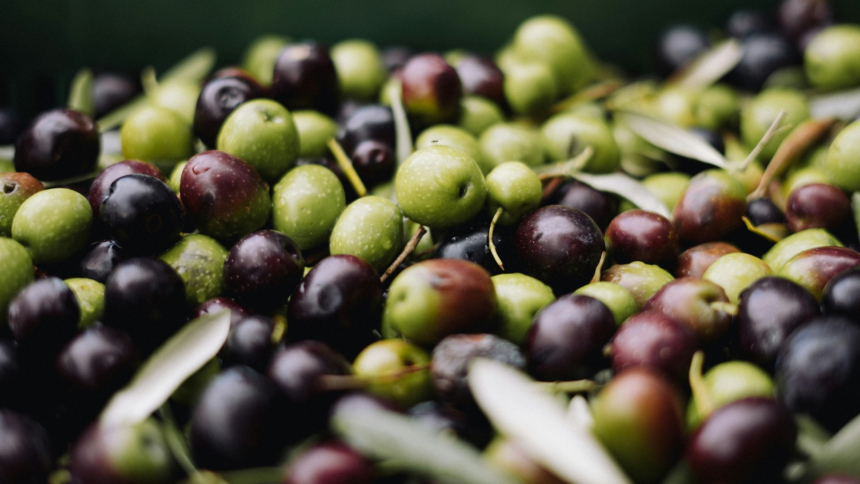
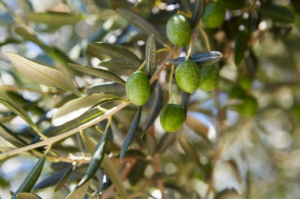
 Rich in healthy fats and antioxidants, the oil is a major component of the Mediterranean diet, which studies have shown has multiple health benefits, including reducing the risk of heart disease. If stored correctly, EVOO has a shelf life of a year or more once opened.
“Olive oil may have a long shelf life but once it is pressed the health benefits slowly decline,” Ellen says. “The longer it sits on a shelf or in transit, those beneficial antioxidants reduce.”
It’s a message the media development officer for Olives WA, the trading name for the West Australian Olive Council, has been sharing for some time.
The peak body represents Western Australia’s olive growers and producers, with their advocacy and promotional activities reaching far beyond their active financial members.
Building relationships
This includes building relationships with programs such as Buy West Eat Best, which is administered by the Department of Primary Industries and Regional Development (DPIRD).
Earlier this year, Olives WA president Rick De San Miguel raised the importance of the group’s relationship with Australia’s longest running State-of origin food and beverage program at a meeting with State Agricultural Minister Jackie Jarvis and representatives from DPIRD.
Ellen says this reflects the significance of the program, which Olives WA joined in 2022, and Buy West Eat Best’s support of the WA Olive Awards, which celebrate excellence in the industry (Jingilli’s Block 15 Reserve Picual won last year’s Best WA Oil of Show).
“There are real synergies in our association with the program, and we encourage our producers to take up membership separately if they are at the level where it would be of benefit,” she says. “The cross-promotion of the awards also helps raise awareness of the amazing quality olive oils available in WA.”
Judging olive oil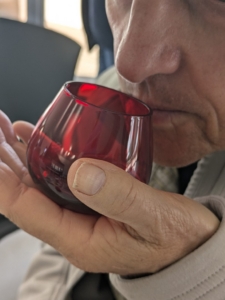
With the program entering its third year as a supporter of the WA Olive Awards, there is also a nice synergy with the awards being held in October. It’s Buy West Eat Best Month, when the program highlights food and drink made in Western Australia through a range of activities and events.
A celebration of olive oil – table olive production is small compared with the growing number of Western Australian producers pressing olives for oil – the awards are judged much like wine.
“Olive oil is poured into small red glasses (a lot of international competitions use blue) so the judges can’t be influenced by colour, then warmed and swirled,” Ellen explains. Just like wine, the judges spend time sensing the aromas of the oil before tasting each entry.
A trained pool of judges attends regular sessions to keep their palates sharp and all entries are judged blind, with care taken to ensure no judge assesses an oil to which they may have a commercial connection.
Western Australia’s olive producers stretch from Esperance in the south as far north as Geraldton in the Mid West. Depending on the climate, olive harvest can start in early autumn, with the colder regions finishing up around July.
Like wine, the oil varies in character and flavour depending on the cultivar (aka variety), soil and climate in which the olives are grown. A delicate oil suited to a subtle dish might come from one region, a punchier oil with bold notes from another.
It is this variety, and quality, that Olives WA wants more locals to discover, with some Western Australians still under the impression that imported oil from traditional olive growing countries is automatically superior.
Raising awareness
This belief has shifted over the years, helped by social media and a growing appreciation for local produce.
“I remember as a 21-year-old attending food and wine shows and consumers not having a clue about local olive oil, but I think the general perception of the benefits of extra virgin olive oil has increased and that’s a very positive thing for the industry,” Ellen says.
Olives WA has also switched its focus over time from advice-driven information such as tree pruning and watering schedules to marketing. With issues such as transport, fuel and fertiliser costs continuing to have an impact, members are keen to get their stories in front of consumers.
Community education is central to that work. Olives WA is running regional workshops in November in the South West and Great Southern, as well as a possible Perth session, with the aim of reaching dietitians, nutritionists and chefs, as well as home cooks.
“We also try to piggyback on events like the Gidgegannup Small Farm Field Day, with a whole tent dedicated to olive oil producers, so that locals can see the range of quality olive oil produced here,” Ellen says.
It comes back to that same simple message about freshness and provenance, one that resonates as more Western Australians visit the farmgate.
“Food tourism is very valuable,” Ellen says. “When you’re visiting one of those farms and purchasing from the farm gate, or you go to a farmers market and buy direct from the grower, that’s something really special.”
The WA Olive Awards are held on 8 October 2026. For more information about this and other events, visit the Olives WA website.