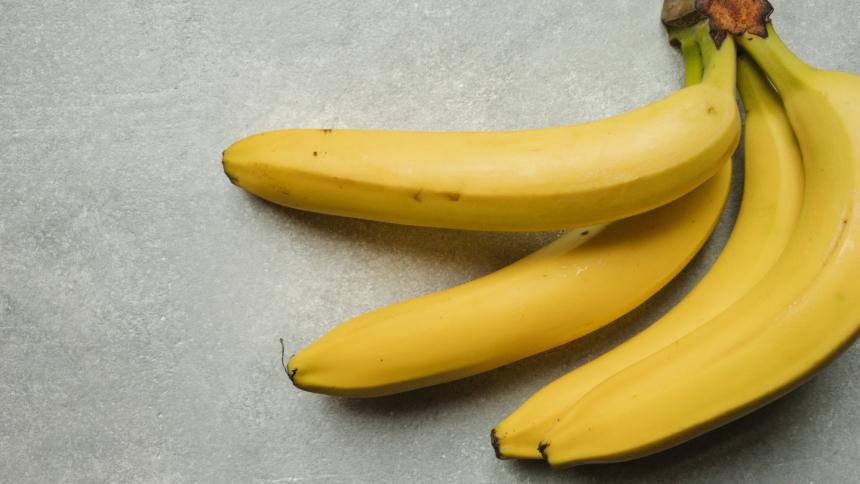
 More than five million are eaten every day, with more than 90 percent of Australian households adding them to their grocery baskets. Let’s take a closer look at the not-so-humble banana.
Bananas are steeped in history
Dating back about 10,000 years, bananas are often described as the world’s first fruit. While this is still debated – with figs, grapes, apples and pears among the other contenders – there is no question the fabulous fruit has been around a long time.
Originating in the Malaya Peninsula, Indonesia and New Guinea, they were brought to India, Africa and Polynesia by early traders. They pop up in Latin, Greek and Arabic writings, and made their way to the Western world courtesy of Alexander the Great in 327BC, who discovered them in India.
Mind you, the fruit he tasted was nothing like the one we enjoy today. Early bananas had large hard seeds and a lot less soft fruit. Today’s version was developed in Africa about 650AD when two varieties of wild bananas were cross bred.
Bananas first arrived in Australia in the 1800s, with early plantations in Queensland sowing the seed for an industry that has endured well into the 21st century.
 WA bananas are sweet as
The Cavendish is the most widely grown variety in Australia, accounting for more than 95 percent of commercial production. Other varieties include Lady Finger, Williams and Mons Mari.
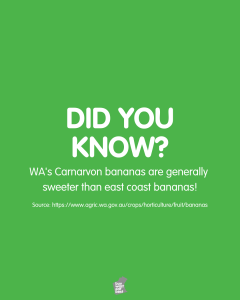
More than 95 percent of Australian bananas are grown in Queensland. While Western Australia’s contribution might be relatively small in comparison, our bananas are mighty tasty. Predominantly grown in the Carnarvon area, along the banks of the Gascoyne River, these bananas are typically smaller and sweeter than their Queensland cousins.
The warm days and cooler nights in the subtropical climate lengthen the growing season, with bananas taking 12 to 14 months to mature, compared with about nine months for tropical bananas. This gives them a creamier texture and sweeter taste.
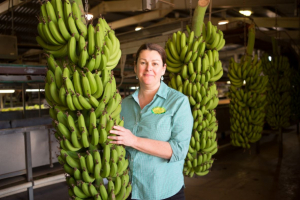 Growers such as those behind Carnarvon’s Sweeter Banana Cooperative have worked hard to build a formidable reputation for their produce, including developing the Lunchbox Banana, now a staple in many Western Australian lunch boxes.
Seeing how many bananas were rejected because they were the ‘wrong size’ or had minor blemishes, growers also looked at ways to extend their life and reduce wastage. This includes making banana bread mixes, fruit leathers, smoothies and freeze-dried snacks, much to the delight of local consumers.
Bananas pack a healthy punch
While many of us buy bananas for their convenience and taste, it is also satisfying to know how good these yellow beauties are for us. They are packed with:
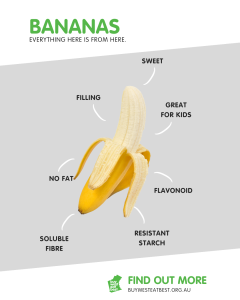
- Carbohydrates – a quick source of energy for your workout, bananas also help prevent cramping
- Potassium – a single banana provides about 10 percent of the recommended daily dose, helping to manage blood pressure and keep your kidneys healthy
- Antioxidants – packed with flavonoids and amines that can reduce the risk of heart disease and macular degeneration
- Magnesium – this mineral can also help maintain heart health
- Fibre – containing both soluble and insoluble fibre, bananas help gut health and keep digestion on track.
They are also very convenient. Need a healthy snack before or after a hike, run or swim, or chasing the kids around the park? Whip out a banana or two. Naturally packaged, they don’t require washing or prepping. Simply peel, eat and enjoy at any time.
Bananas keep on giving
You might buy a fresh bunch for the week, making sure you have enough for breakfast on the go, or to pack into the kids’ lunch boxes for a healthy treat. But what happens if you don’t finish them before their yellow protective skin starts to develop unappealing brown spots?
Enter the second life of bananas. They are still delicious and nutritious and can be used in so many ways. You can add one to your favourite smoothie in a jiffy but with a little more effort, you can turn them into divine desserts, superb sauces and much more.
Blend them into cakes, such as this fabulous banana honey bread, or make some banana and apple chutney. You can even add them to pasta, such as this banana and beetroot ravioli.
If you don’t have time to cook, don’t throw speckled bananas out. Freeze them in chunks to use later in smoothies, cakes or to make your own ice-cream.
Keep a packet of Sweeter Banana’s freeze-dried bananas in your drawer at work and you can enjoy their sweet taste any time of day, even if you’ve left the fresh ones at home.
Banana splits
As for how they got their name, there is also plenty of debate about that one. Many historians believe the Arabian slave traders named the fruit they took from Southeast Asia ‘banan’, meaning finger, because early bananas were much smaller. Others say that the name comes from a West African language.
Whatever you choose to believe, there is no doubt we are lucky to have them growing in our backyard. And WA bananas taste sweeter, too. Grab a bunch today.