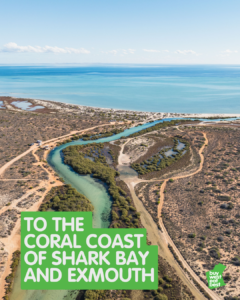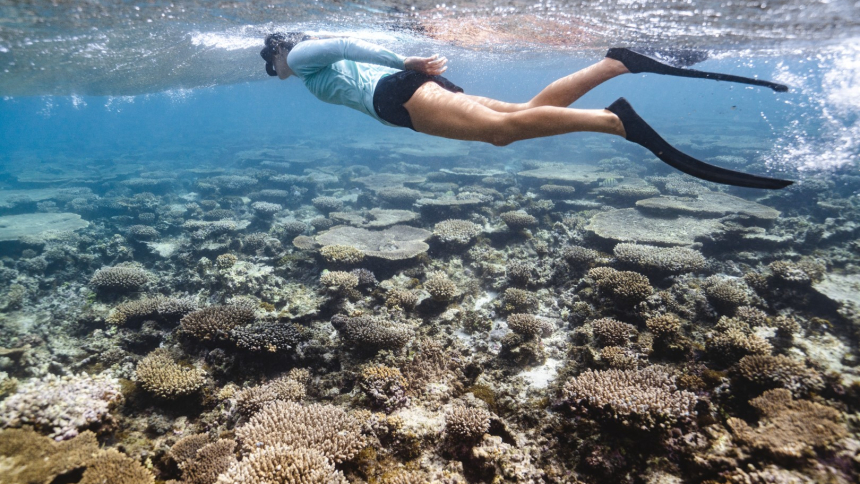
Covering more than 135,000 sqkm about 700km north of Perth, this stunning region is known for its exquisite coastline and bucket-list experiences such as swimming with whale sharks or humpback whales. (Carnarvon Visitor Centre is a great place to get the lowdown on when and where to go.) Locals and food lovers also know the Gascoyne for the quality of its produce.
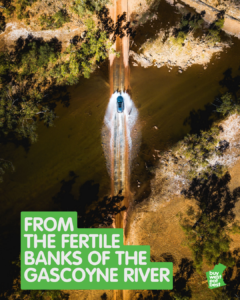
One of the secrets to this land of plenty is the Gascoyne River. Although it flows above ground for only part of the year, its vast underground aquifer feeds fertile plantations around Carnarvon, delivering water and warmth in equal good measure. Paired with pristine waters off Shark Bay and Exmouth replete with delicious seafood, and you have another region delivering platefuls of goodness.
Here are just five of the reasons we love food from the Gascoyne.
Taste the Gascoyne: Quick Guide
Brilliant bananas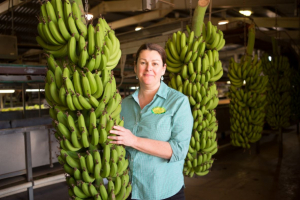
Ask most Western Australians where their bananas come from and Carnarvon will likely be top of the list. The tourist town has been growing them since the early 1900s and the plantations along the Gascoyne River remain the heart of the State’s banana industry.
More than 30 years ago, a group of growers formed the Sweeter Banana Co-operative to help raise awareness of the quality of WA’s creamy bananas. This sweet collaboration has led to some innovative products, including the bagged Original Lunchbox Banana™, which instantly identifies them as local and protects the thinner-skinned varieties from shop damage. More recently, Sweeter Banana has developed freeze-dried bananas, the perfect treat in warm weather (or any time you get the munchies).
The smaller but no less passionate Desert Sweet Bananas is a family concern dedicated to producing the best fruit you can possibly eat – and who can ask for more than that. How many ways do you go bananas?
Magnificent mangoes (& more)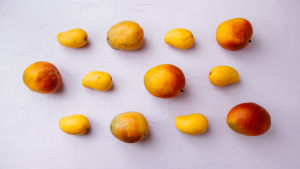
If you’re more partial to mangoes than bananas – or love them both – you will also know the Gascoyne is a leading producer of these succulent summer treats. Kensington Pride and R2E2 are among the varieties that thrive in the region, popping up in produce sections from December through to February.
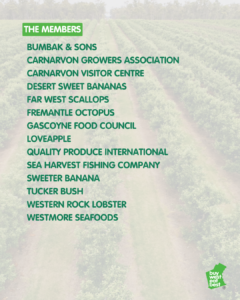
Bumbak & Sons, a third-generation plantation, is one of the many growers we have to thank for our marvellous mangoes. The family also specialises in table grapes, those sweet and crunchy globes that lift a lunch box and elevate a cheeseboard.
There is plenty more fabulous fruit coming out of this rich region, too – think citrus, melons, including rockmelon and watermelon, and papaya – with wholesalers like Quality Produce International ensuring all this beautiful fruit (and veg) makes its way to markets like Market City, Canning Vale and beyond.
Vibrant vegies
Those looking to up their vegetable intake are spoilt for choice in the Gascoyne, with a colourful array available across the year.
Loveapple is another group of growers, this time of tomatoes, who banded together in the early 1990s to market local produce. Their love for the tomato – which we treat as a vegie even though it is technically a fruit – is reflected in the name, first given to tomatoes when they arrived in Europe as an ornamental plant.
It proved a successful model, with the growers producing, picking, packing and transporting a range of vegies in season, including nightshades such as eggplant and capsicum, glorious gourds such as pumpkin and cucumber, as well as fruit such as melons and table grapes.
Spectacular seafood
Not all the Gascoyne’s fabulous fare is found on land, however. The coast is every bit as generous as the river flats. Celebrated for its natural beauty and biodiversity, Shark Bay has built an international reputation for the quality of its seafood.
Sea Harvest Fishing Company is the largest owner-operator in the Shark Bay Prawn Managed Fishery, and the only operator in the Exmouth Gulf Prawn Managed Fishery further north. Prawns such as Western king, brown tiger and endeavour are highly sought after here and overseas, with both fisheries certified as sustainable by the Marine Stewardship Council (MSC).
Westmore Seafoods specialises in Shark Bay wild-caught deep-sea mullet and yellowfin whiting, two species synonymous with the region. Far West Scallops runs a fleet of trawlers off the coast, delivering scallops from the region to its factory in Fremantle, while Fremantle Octopus also sources from the Gascoyne as part of its adherence to sustainable fishing along the Western Australian coast.
Of course, no discussion about local seafood is complete without crayfish or lobster. Western Rock Lobster represents the industry that makes our rock lobster fishery one of the world’s most sustainably managed – and the first to be certified as such by MSC in 2000 – with a flavour that is out of this world.
Community spirit
A point of pride among the myriad growers, fishers and producers of the Gascoyne is the understanding that that their food story is a shared one.
It’s reflected in collectives like the Sweeter Banana Co-operative and Loveapple, and underpinned by organisations such as the Carnarvon Growers Association, which supports the sustainable production of fresh food in this remarkable corner of the State.
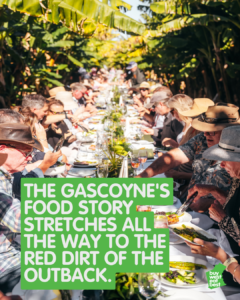
Understandably, the Gascoyne Food Council is proud to champion local produce and share the bounty with everyone who appreciates great food – and never more so than at the annual Gascoyne Food Festival. This fixture on the foodie calendar draws visitors from near and far to taste the region’s produce at the source, meet the growers behind it, and see for themselves why this remote pocket of Western Australia is such a feast for the senses.
We love all Western Australia’s remarkable regions. Want to explore some more? Read Five reasons we love Kimberley and Pilbara produce, Five reasons we love Great Southern food, Five reasons we love the Wheatbelt’s produce, and Five reasons we love Southern Forests food.